How Digital Marketing is based on Technology
Technology and digital marketing are closely connected in the modern world. Businesses, organizations, and even individuals depend on technology to promote products and services through digital platforms. Digital marketing uses technological tools such as the internet, mobile devices, data analytics, and software applications to reach audiences quickly and effectively. As technology continues to evolve, digital marketing becomes more powerful, personalized, and measurable. This relationship shows how technology forms the foundation of digital marketing in today’s global economy.
First, the internet is the most important technological factor behind digital marketing. Without internet technology, digital marketing would not exist. The internet allows businesses to communicate with customers worldwide through websites, social media platforms, email, and search engines. Companies can create online stores, display advertisements, and interact with customers instantly. This global connectivity helps businesses reach a much larger audience compared to traditional marketing methods such as newspapers, radio, or television.
Search Engine Technology
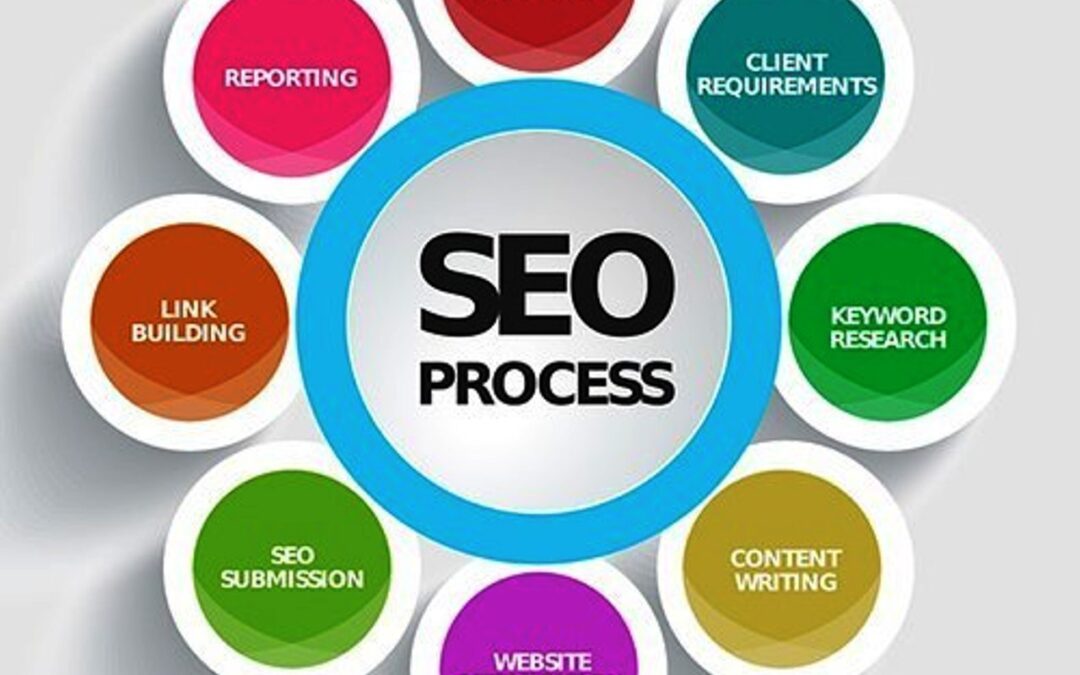
Another technological element that supports digital marketing is search engine technology. Search engines help users find information quickly on the internet. Businesses use digital marketing strategies such as Search Engine Optimization (SEO) to make their websites appear higher in search results. SEO uses technology to analyze keywords, user behavior, and website performance. By optimizing websites for search engines, businesses can attract more visitors and potential customers. This shows how technology directly influences marketing success in the digital environment.
Social Media Platforms
Social media platforms are also an important technological tool for digital marketing. Platforms such as Facebook, Instagram, Twitter, and LinkedIn allow businesses to promote their products and services while engaging directly with their audience. Technology enables these platforms to collect user data, which helps marketers understand customer interests, preferences, and behaviors. With this information, companies can create targeted advertisements that reach the right people at the right time. Social media technology also allows marketers to measure engagement through likes, shares, comments, and views.
Mobile Technology
Mobile technology has further expanded the power of digital marketing. Today, millions of people access the internet through smartphones and tablets. Mobile applications, mobile websites, and messaging platforms allow businesses to communicate with customers instantly. Push notifications, SMS marketing, and in-app advertisements are examples of how technology is used to reach customers through mobile devices. Because people carry their smartphones everywhere, mobile marketing helps companies maintain constant communication with their audience.
Data Analytics
Data analytics is another important technological component of digital marketing. Modern technology allows businesses to collect large amounts of data about customer behavior. Digital marketing tools analyze this data to understand what customers want, how they interact with websites, and which marketing campaigns are successful. For example, marketers can track website traffic, conversion rates, and customer engagement. With this information, businesses can improve their marketing strategies and make better decisions. Data-driven marketing increases efficiency and reduces the risk of unsuccessful campaigns.
Artificial Intelligence
Artificial intelligence (AI) and automation are also transforming digital marketing. AI technology can analyze large data sets, predict customer behavior, and personalize marketing messages. Chatbots, recommendation systems, and automated email campaigns are examples of AI-based marketing tools. These technologies allow businesses to provide faster customer service and more personalized experiences. Automation tools also save time by performing repetitive marketing tasks such as scheduling social media posts, sending emails, and managing advertisements.
Cloud Computing Technology
Cloud computing technology has also played a significant role in digital marketing. Cloud-based platforms allow businesses to store data, manage marketing campaigns, and access tools from anywhere in the world. Marketing teams can collaborate easily using cloud software, which improves productivity and efficiency. Many digital marketing tools, including analytics platforms and customer relationship management (CRM) systems, operate through cloud technology. This makes digital marketing more flexible and accessible for businesses of all sizes.
Content Creation Technology
Another technological advancement supporting digital marketing is content creation technology. Businesses use various software tools to create digital content such as graphics, videos, blogs, and advertisements. Video editing software, graphic design platforms, and content management systems help marketers produce high-quality content that attracts audiences. Engaging digital content is essential for building brand awareness and maintaining customer interest. Technology makes it easier to produce, edit, and distribute this content across multiple digital platforms.
E- Commerce Technology
E-commerce technology also demonstrates how technology supports digital marketing. Online shopping platforms allow businesses to sell products directly through websites and mobile apps. Digital marketing strategies such as email marketing, social media advertising, and search engine marketing help drive traffic to these online stores. Secure payment systems, inventory management software, and customer tracking technologies ensure smooth online transactions. This integration of marketing and technology helps businesses increase sales and improve customer satisfaction.
Furthermore, technology allows digital marketing campaigns to be measured accurately. Unlike traditional marketing methods, digital marketing provides real-time data about campaign performance. Marketers can monitor clicks, impressions, conversions, and user engagement. Analytical tools help businesses understand which marketing strategies are effective and which need improvement. This ability to measure performance allows companies to optimize their marketing efforts and maximize their return on investment.
Technology also helps create personalized marketing experiences for customers. By analyzing user data, digital marketing systems can deliver customized advertisements and recommendations. For example, online stores often show products based on a user’s previous searches or purchases. Personalized marketing improves customer satisfaction because people receive information that matches their interests. This level of personalization would not be possible without advanced technological systems.
In addition, emerging technologies such as virtual reality (VR) and augmented reality (AR) are creating new opportunities for digital marketing. These technologies allow businesses to offer interactive experiences that attract customer attention. For example, customers can virtually try on clothes or explore products in a simulated environment. Such innovative marketing experiences help brands stand out in a competitive market.
In conclusion, technology is the foundation of digital marketing in the modern world. The internet, mobile devices, data analytics, artificial intelligence, cloud computing, and content creation tools all support digital marketing strategies. These technologies help businesses reach global audiences, understand customer behavior, and create personalized marketing experiences. As technology continues to develop, digital marketing will become even more advanced and effective. The strong relationship between technology and digital marketing will continue to shape the future of business and communication.
Home »